
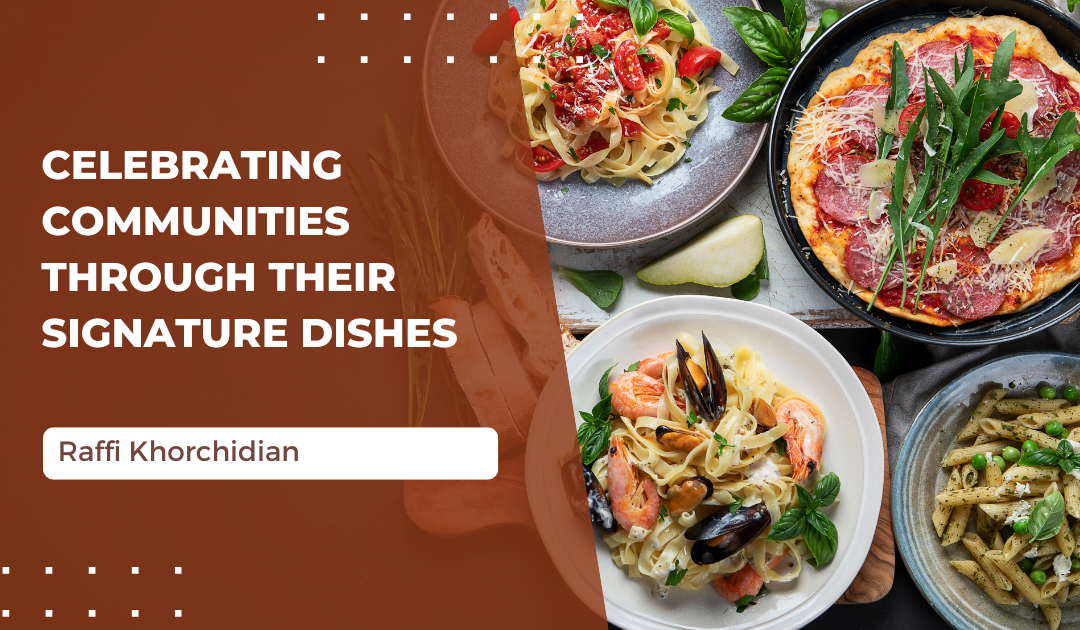
Food is far more than nourishment—it is a reflection of history, identity, and tradition. Across the world, communities have developed signature dishes that tell stories of their heritage, local ingredients, and cultural values. These meals are often shaped by geography, climate, historical events, and generations of family recipes, making them an essential part of a community’s identity.
Whether served during festivals, family gatherings, or everyday meals, signature dishes connect people to their roots and preserve traditions that have been passed down through generations. Exploring these culinary treasures offers a unique way to understand cultures while celebrating the diversity that makes every community special.
Food as a Reflection of Identity
Every community has dishes that represent who they are. These recipes often emerge from the resources available in a particular region and the traditions developed over centuries.
For coastal communities, seafood may play a central role in daily cuisine, while mountainous regions often rely on hearty grains, dairy products, and slow-cooked meals. Agricultural communities celebrate seasonal harvests with recipes that showcase fresh fruits, vegetables, and locally grown ingredients.
These signature dishes become symbols of local pride, allowing communities to preserve their cultural identity while sharing it with visitors and future generations.
The Stories Behind Traditional Recipes
Many iconic dishes carry stories that extend beyond the kitchen. Some were created during periods of hardship using simple, affordable ingredients, while others were developed to celebrate important milestones, religious ceremonies, or seasonal festivals.
Family recipes are often treasured possessions, carefully preserved and handed down from grandparents to children. While cooking techniques may evolve over time, the emotional connection to these recipes remains remarkably strong.
Preparing traditional meals becomes an act of preserving history, allowing each generation to maintain a meaningful connection to its cultural heritage.
Local Ingredients Shape Local Flavors
One reason signature dishes vary so dramatically around the world is the availability of regional ingredients. Climate, geography, and farming practices all influence what communities cook and eat.
Fresh herbs, native spices, locally raised livestock, and seasonal produce give each region its distinctive culinary character. These ingredients not only enhance flavor but also reflect sustainable practices that have supported local populations for centuries.
Many communities continue to prioritize locally sourced ingredients, strengthening relationships between farmers, producers, chefs, and consumers while supporting regional economies.
Bringing People Together
Food has always played an important role in bringing communities together. Shared meals create opportunities for conversation, celebration, and connection that extend beyond the dining table.
Community gatherings often revolve around food, whether celebrating weddings, religious holidays, harvest festivals, or neighborhood events. Preparing large meals becomes a collaborative effort where families and friends contribute recipes, cooking skills, and traditions.
These shared experiences strengthen social bonds while reinforcing a sense of belonging within the community.
Even visitors are often welcomed through food, experiencing local hospitality by sharing meals prepared with care and tradition.
Preserving Cultural Heritage
As globalization introduces new cuisines and dining habits, many communities are working to preserve their traditional dishes. Local food festivals, cooking classes, cultural organizations, and family-run restaurants all play important roles in protecting culinary heritage.
Younger generations are increasingly rediscovering traditional recipes and adapting them for modern lifestyles without losing their authentic character. Digital platforms have also made it easier to document family recipes, cooking techniques, and regional specialties for future generations.
Preserving these culinary traditions ensures that cultural knowledge remains alive while allowing communities to celebrate their unique identities in an ever-changing world.
Culinary Tourism and Local Economies
Travelers today increasingly seek authentic experiences that go beyond famous landmarks. Food has become one of the most meaningful ways to explore a destination and connect with local culture.
Sampling signature dishes allows visitors to understand regional history, traditions, and everyday life through flavors that cannot be fully appreciated anywhere else. Local restaurants, food markets, street vendors, and family-owned establishments often provide some of the most memorable travel experiences.
This growing interest in culinary tourism also benefits local economies by supporting small businesses, farmers, artisans, and food producers who preserve traditional cooking methods and regional ingredients.
Innovation While Honoring Tradition
Although traditional recipes are rooted in history, they continue to evolve. Modern chefs frequently reinterpret classic dishes by introducing new presentation styles, contemporary cooking techniques, or locally inspired variations.
The goal is not to replace tradition but to keep it relevant for new audiences. Successful innovation respects the original recipe while offering fresh perspectives that encourage younger generations and international visitors to appreciate local cuisine.
Balancing authenticity with creativity helps ensure that signature dishes remain vibrant and meaningful without losing their cultural significance.
The Universal Language of Food
Despite cultural differences, food has a remarkable ability to connect people from diverse backgrounds. Sharing a traditional meal often sparks conversations about family, history, customs, and values, creating understanding that transcends language barriers.
A signature dish becomes more than a regional specialty—it becomes an invitation to experience another culture with curiosity and respect. Through food, communities share not only recipes but also stories, traditions, and a sense of place.
This universal connection reminds us that while ingredients and cooking methods may differ, the joy of gathering around a table is a shared human experience.
Final Thoughts
Signature dishes are much more than culinary creations—they are expressions of culture, history, and community. They preserve traditions, celebrate local ingredients, strengthen social connections, and offer meaningful insights into the people who create them.
As interest in authentic food experiences continues to grow, celebrating communities through their signature dishes becomes an opportunity to honor cultural diversity while supporting local traditions and economies. Whether enjoyed in a family home, a neighborhood café, or a bustling local market, every traditional dish carries a story worth discovering.
By embracing these culinary traditions with curiosity and appreciation, we not only enjoy memorable meals but also gain a deeper understanding of the communities that have shaped them. In every recipe passed down through generations lies a celebration of heritage, resilience, and the enduring power of food to bring people together.
Raffi Khorchidian is a Switzerland-based entrepreneur and investor with more than 35 years of experience building companies, financing projects, and structuring complex cross-border transactions. His work is heavily focused on mining, natural resources, and exploration-stage ventures, where he partners closely with founders and management teams to secure capital and move projects from early concept through development and growth. Alongside his deep involvement in the resource sector, Raffi maintains a strong personal interest in innovative technologies at the intersection of artificial intelligence, computing, and communications. He is driven by long-term value creation, practical execution, and building businesses that endure.