-
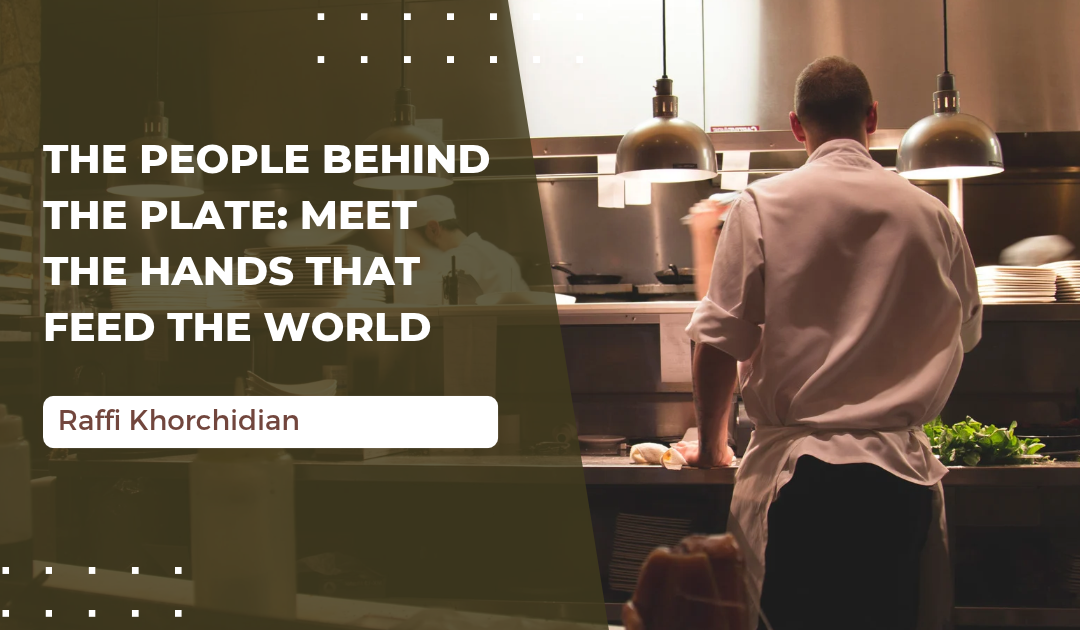
Food is an essential part of everyday life, bringing comfort, joy, and people together across cultures. We often admire a delicious meal for its taste, appearance, and aroma, but rarely stop to think about the people who made it possible. Behind every plate of food lies a network of hardworking individuals, from farmers who cultivate the land to chefs who transform ingredients into memorable dishes. Their dedication, skills, and passion keep the world nourished, yet their stories often remain untold.
From Farms to Our Tables
Every meal begins long before it reaches our kitchens or restaurants. Farmers work through changing seasons, unpredictable weather, and demanding physical conditions to grow the crops that feed communities. They prepare the soil, plant seeds, manage water supplies, and protect their harvests from pests and diseases. Their work requires patience, knowledge, and resilience, especially when environmental challenges threaten their livelihoods.
Alongside farmers, fishers, livestock workers, and agricultural laborers contribute to the production of essential foods. Many begin their working days before sunrise, ensuring fresh ingredients are available for markets and businesses. Their efforts remind us that food is not simply a product on a supermarket shelf; it represents time, labor, and a deep connection to nature.
The Unsung Heroes of Food Production
Between farms and dining tables, countless people play important roles in bringing food to our communities. Food processors, transport workers, warehouse employees, and market vendors help ensure that ingredients travel safely from their places of origin to the people who need them.
Local market sellers, in particular, create meaningful connections between producers and consumers. They often know where their products come from, understand seasonal availability, and offer advice about selecting fresh ingredients. In many communities, markets are more than places to shop. They are lively meeting spaces where traditions are shared, relationships are built, and local food cultures continue to thrive.
Although these workers may not receive the recognition they deserve, their contributions are essential to the reliability and accessibility of our food systems.
The Art and Passion of Cooking
Once ingredients reach the kitchen, another group of skilled individuals begins their work. Chefs, home cooks, bakers, and street food vendors turn simple ingredients into meals that can create lasting memories.
Cooking involves much more than following a recipe. It requires creativity, experience, attention to detail, and an understanding of flavors. A traditional dish may carry the history of a family, while a regional specialty can reflect centuries of cultural exchange. Many cooks preserve these traditions by passing recipes and techniques from one generation to the next.
Street food vendors also deserve special recognition. With limited equipment and busy working environments, they prepare affordable, flavorful dishes that reflect the character of their communities. Their stalls often become neighborhood favorites, attracting customers through familiar aromas, distinctive recipes, and personal connections.
The Human Stories Behind Every Meal
Food connects us to people and places in ways that extend beyond nourishment. A grandmother preparing a traditional family recipe, a baker perfecting a loaf of bread, or a farmer celebrating a successful harvest all contribute to the stories we associate with what we eat.
Recognizing these individuals encourages us to appreciate the effort involved in producing our meals. It also reminds us of the importance of fair wages, safe working conditions, sustainable farming, and reducing food waste. When we value the people behind our food, we become more aware of the choices we make as consumers.
Simple actions can make a difference. Buying seasonal produce, supporting local farmers and independent food businesses, and using ingredients thoughtfully can help strengthen communities and reduce unnecessary waste.
Conclusion: Every Plate Has a Story
The next time you sit down to enjoy a meal, take a moment to consider the journey behind it. Think of the farmer who grew the ingredients, the workers who transported them, the vendor who sold them, and the cook who prepared them with care.
These individuals are the often-unseen foundation of our food culture. Their labor sustains families, supports economies, and preserves traditions across generations.
Behind every plate is a human story worth knowing. By recognizing and appreciating the people who feed the world, we can develop a deeper respect for food itself and help build a more responsible, compassionate, and sustainable food culture.
The People Behind the Plate: Meet the Hands That Feed the World